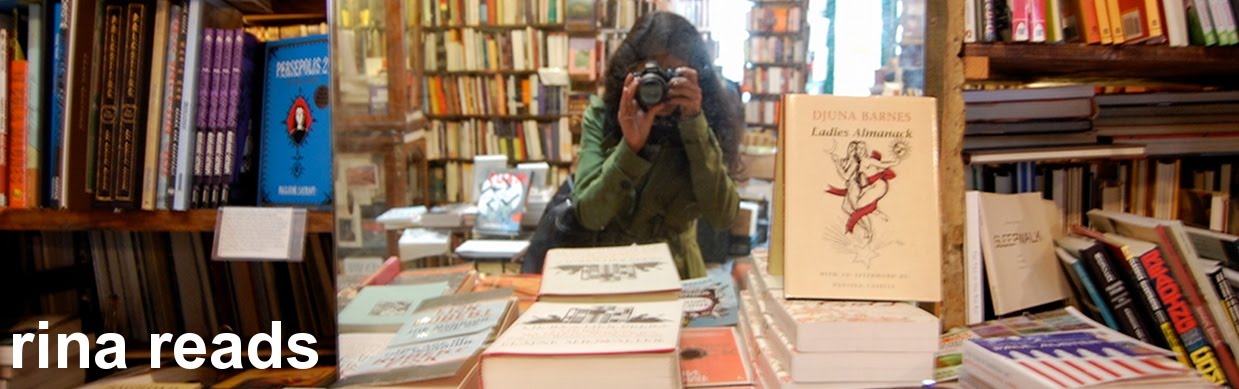
One of the questions I get most often is: "I'm looking for a new book! What do you recommend?"
It's been a while since I've updated this blog regularly, but here are some favorites from the past two years:
1) Station Eleven: This book really got under my skin. It's been over a year since I've read it, but passages still come to me at random moments. The novel is about human survival after an apocalypse, and while we all know that I would go down in the first wave, it made me think about how much we depend on modern conveniences.
2) Modern Romance: It's been years since I've dated and so much has changed since then (hello, Tinder!). I thought that the authors did a wonderful job of discussing the data behind dating trends, and the impact that technology has on how we communicate and connect with one another. (I highly recommend reading the print version for the graphics.)
3) Re Jane: Jane Eyre was one of my favorites as a teenager, and I loved the adaptation to modern times. It's not perfect - it's overly wrought at times - but I still enjoyed it.
4) The Expatriates: I read this right before giving birth, but I've found that I can't stop thinking about it since then. There's a gripping plot line involving a young child, plus I identified with the descriptions of living abroad: the displacement that comes with being in another culture, along with the expat friendships that spring from muddling through the unknown together.
It's been a while since I've updated this blog regularly, but here are some favorites from the past two years:
1) Station Eleven: This book really got under my skin. It's been over a year since I've read it, but passages still come to me at random moments. The novel is about human survival after an apocalypse, and while we all know that I would go down in the first wave, it made me think about how much we depend on modern conveniences.
2) Modern Romance: It's been years since I've dated and so much has changed since then (hello, Tinder!). I thought that the authors did a wonderful job of discussing the data behind dating trends, and the impact that technology has on how we communicate and connect with one another. (I highly recommend reading the print version for the graphics.)
3) Re Jane: Jane Eyre was one of my favorites as a teenager, and I loved the adaptation to modern times. It's not perfect - it's overly wrought at times - but I still enjoyed it.
4) The Expatriates: I read this right before giving birth, but I've found that I can't stop thinking about it since then. There's a gripping plot line involving a young child, plus I identified with the descriptions of living abroad: the displacement that comes with being in another culture, along with the expat friendships that spring from muddling through the unknown together.
